How Zero-Tolerance Accountability Rules Can Produce “Lying Flat” Officials
How Zero-Tolerance Accountability Rules Can Produce “Lying Flat” Officials [ 4 min read ]
INSIGHTS
- Before 2018, major workplace safety accidents damaged but did not end the careers of local officials in China. To recover their promotion potential after an accident, officials boosted work performance in other areas: firm registrations (a GDP proxy) rose about 10% and environmental penalties rose about 3%.
- A 2018 reform made major workplace safety accidents a “one-vote veto” item that automatically disqualified officials from promotion. The new policy caused officials to stop trying to compensate in other ways to save their promotions.
- Younger officials and those with stronger career prospects showed the most pronounced compensatory responses before the reform, and the steepest drop-off after.compensatory responses before the reform, and the steepest drop-off after.
- The reform reduced accidents — major incidents fell from 223 in 2017 to 39 in 2022 — but contributed to “lying flat” among officials, who abandoned effort across all governance tasks once a failure made further performance irrelevant.
Source Publication: Yi Chen, Qiang He, Jiaqi Liu, and Li-An Zhou (2025). Remedy or Retreat? Investigating Ex-post Incentives under the One-Vote Veto System. Working paper, SSRN.
Read this brief on SUBSTACK
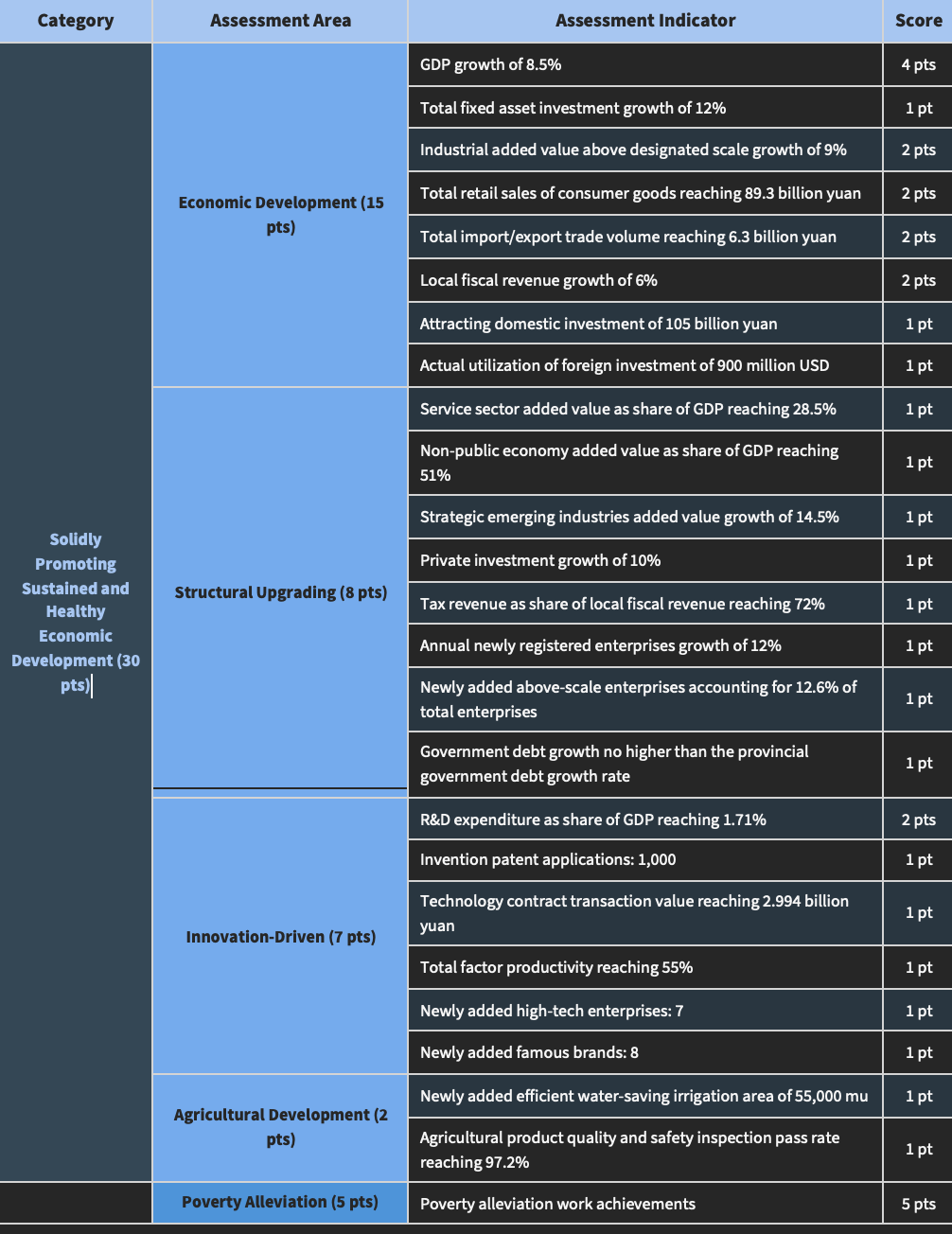
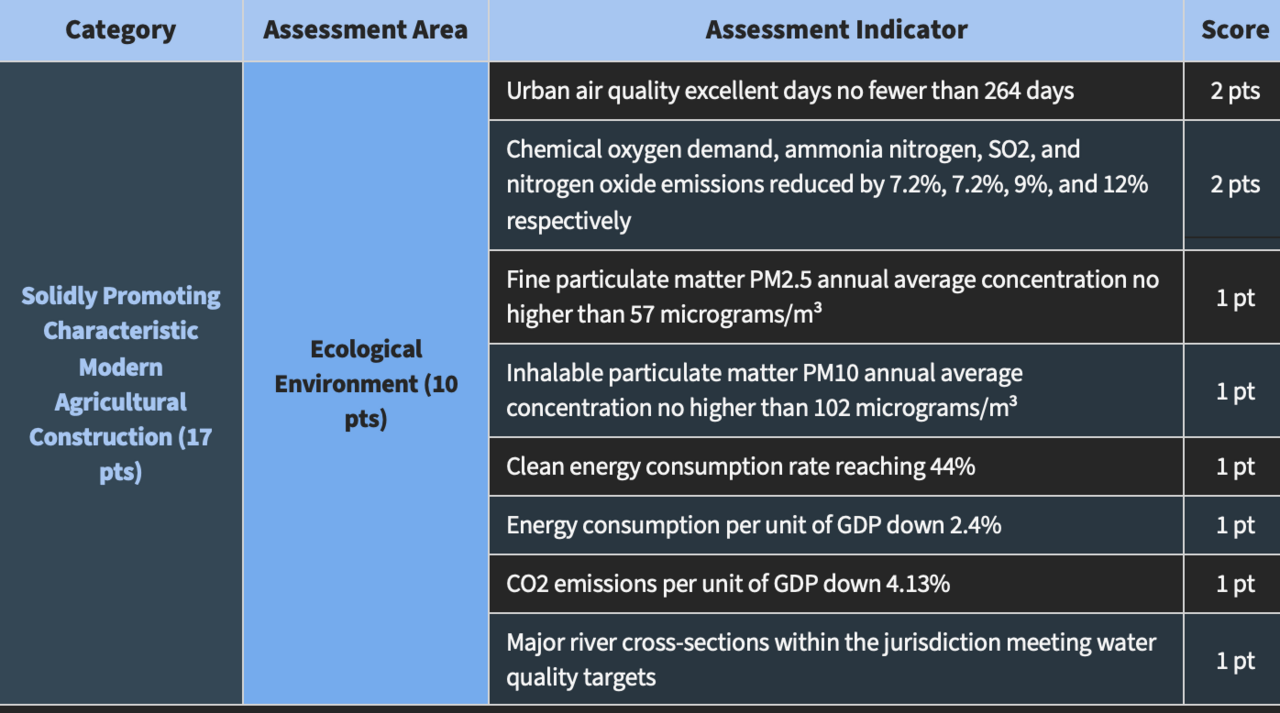
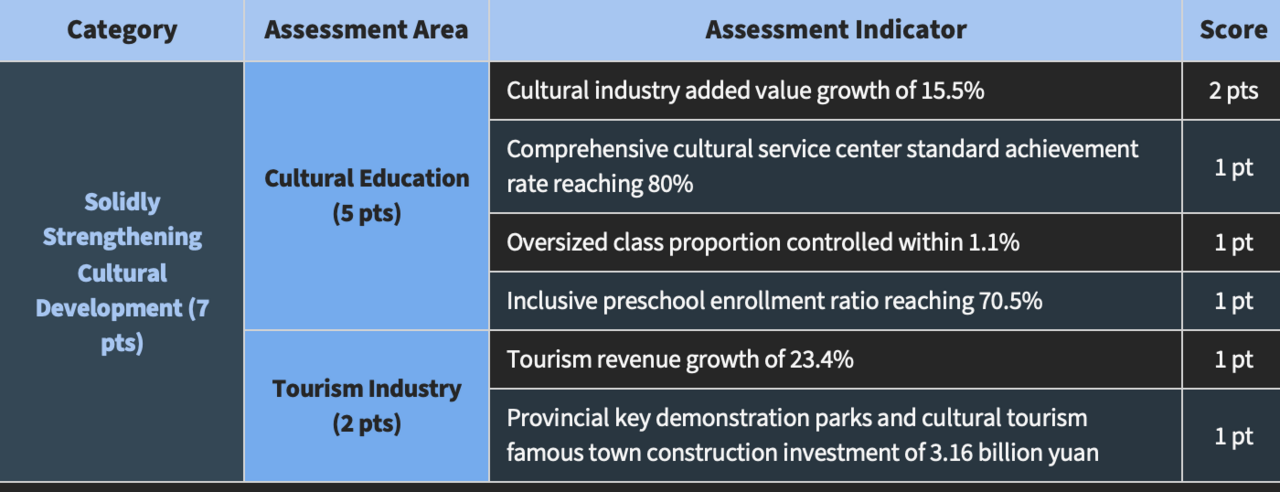
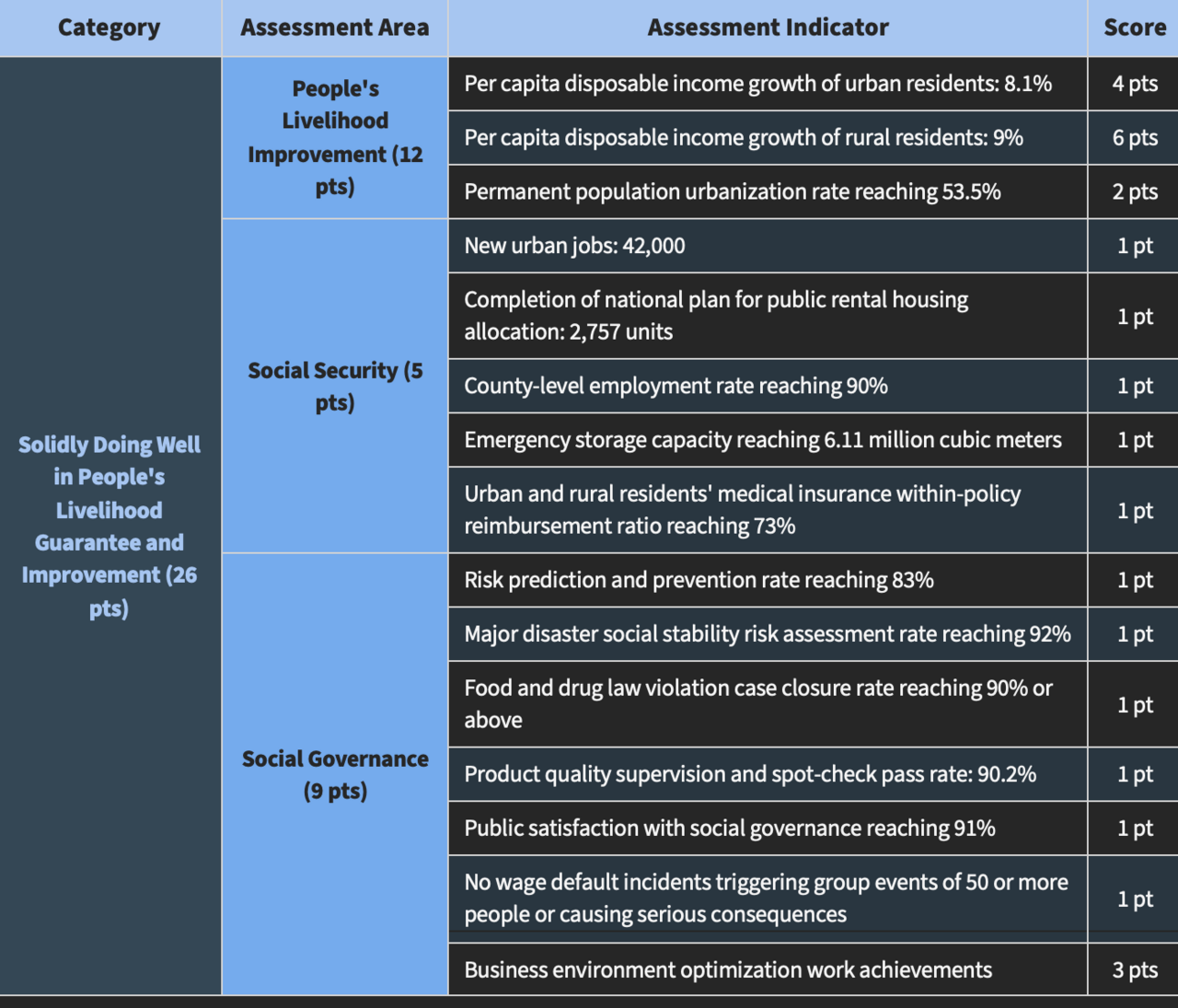
China evaluates its local government officials through a competitive promotion system in which officials are assessed across multiple dimensions — economic growth, environmental protection, social stability, and more. To ensure compliance with priority objectives that might otherwise be sacrificed in the pursuit of GDP, the central government has long used a “one-vote veto” mechanism: a single critical failure in a designated area nullifies all other accomplishments and can block or terminate a career. The veto has been applied to family planning, compulsory education, environmental protection, and poverty alleviation among other areas. What happens to the behavior of officials after a veto-triggering event happens?
The data. The researchers compiled daily records for each of 276 cities (prefectures) from 2015 to 2022, linking detailed records of every major workplace safety accident (those involving 3 or more fatalities, sourced from the State Work Safety Supervisory Committee) to daily measures of local government activity: newly registered firms (from the business data platform Qichacha), environmental penalties, and workplace safety penalties. They also collected career records for mayors and party secretaries across all prefectures. To estimate the effects of accidents on official behavior, they used a regression discontinuity design where they examined changes in government activity in the 28 days before and after a major workplace safety accident occurred.
Before the veto policy: officials compensated for failure. Prior to the 2018 reform, local officials responded to major workplace safety accidents with compensatory activity. In the weeks following an accident, firm registrations — a key performance indicator in cadre evaluations and a proxy for local economic development — rose by approximately 9.7% in the affected prefecture, and environmental penalties rose by approximately 2.8%. The rise in registrations was made possible by the discretionary control of officials over the approval process: while applications formally take several days to review, local governments can accelerate the queue by prioritizing pending applications and streamlining procedures. However, the average registered capital of newly registered firms — a proxy for firm quality — fell significantly in the days following a major workplace safety accident, suggesting that officials were approving marginal applications to boost headline numbers.
Meanwhile, environmental indicators also improved: sulfur dioxide emissions from monitored enterprises fell significantly in the weeks following an accident, indicating that the uptick in environmental penalties reflected renewed enforcement. The compensation pattern was strongest among officials with the most to gain from promotion — younger mayors and those with higher ex-ante promotion likelihood showed significantly larger compensatory responses than their peers with weaker career prospects.
After the veto policy: officials gave up. Once the veto reform took effect — with most provinces issuing implementing regulations in 2018 — the compensatory responses following an accident disappeared. Neither firm registrations nor environmental penalties showed any significant change in the weeks following a major workplace safety accident. The veto reform confirmed what officials had presumably feared: a major accident now permanently derailed promotion prospects regardless of subsequent performance. With redemption off the table, the observed response was to “stop trying.”
A rule that discourages governing. The findings illuminate a structural tension in rigid accountability systems. The veto reform did achieve its primary goal — major accidents fell from 223 in 2017 to just 39 in 2022 — but the findings suggest this came at a cost to broader governance effort. Once failure in a secondary task (workplace safety) triggers a career-ending veto, officials have no motivation to perform even in their primary responsibilities. The study echoes concerns raised in a 2019 central government document, which acknowledged that overuse of the veto mechanism had produced “lying flat” behavior among local officials — shirking across the board rather than responding to setbacks with renewed effort.
Example of an evaluation form for a city in central China