
About REAP
About REAP
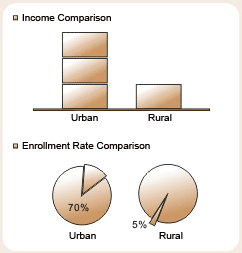
Inequality worries many people who are interested in China
- Urban incomes are more than 3 times rural incomes
- Rural western provinces are falling behind urbanizing coastal provinces
But, nothing can compare to the EDUCATIONAL GAP
- More than 70 percent of students from China's major cities go to college
- Less than 5 percent of students from poor rural areas do
Because of the persistence of education effects over generations, if today's children do not get educated, their children will not either. The vicious cycle of poverty can only be broken in the classroom.
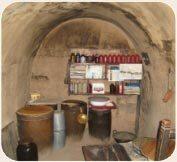
Why is education so unequal? The answer to this question can be found in the way the education system was run in the past. Even though rural households were poor, they were asked to pay high tuition rates, fees, books and other expenses. The share of income that rural households devoted to education was among the highest in the world of any poor country. And, rural villages had to build their own schools and hire many of their own teachers. Rural education, in short, was left to the rural people themselves. Being poor, they could only afford the most minimal levels of education. All of this is changing now with the new government's commitment to K-9 rural education. Tuition has been eliminated. Books are free. A new effort is being made to upgrade the "hardware and software" of rural schools. Everyday, it seems, a new program is being announced or model initiative is being launched. But, it is difficult to change overnight what has been in place for more than 50 years. And, resources are still limited and needs are still great. For this reason, effective policies and appropriate programs are needed to improve the legacy of rural education's past.
Image
 The Gap in High School, College and Beyond
At the same time that K-9 is receiving greater support, things are changing even faster in China's higher education. The rate of expansion is unprecedented anywhere in the world. The goal of China's top educators is to create the foundation for an innovative, challenging, and transformative system of higher education.
Unlike primary and middle school, the government has not lowered the financial barriers to higher education. Instead, rocketing tuition and fees now exceed a rural family's annual income many times over. Frequently, the best and the brightest of China's students from the countryside overcome miraculous odds academically to pass the rigorous entrance examinations to go to college, only to find their dreams tragically shattered by the financial reality of escalating tuition. While education is increasingly the route to economic and social success in today's China, students from China's poor, rural areas find themselves largely excluded from new educational opportunities and consigned to a continued life in poverty.
Even for those who go to university, the problems do not end. Families who get a child into college often must sell all of their assets, tighten their already tight belts and exhaust all opportunities to borrow from fellow villagers. To reduce costs, younger siblings-especially younger sisters-often get pulled out of school. The pressure for the student is enormous. Saddled with debt that causes further sacrifice often for a decade or more, college becomes a bitter sweet victory. Some families never recover.
To view and indepth powerpoint presentation on this material, please click below.
Economic Development and Educational Challenges ( 3.29 MB  )
)